
Finding the best vitamin C serum with collagen support for sensitive skin is not just about picking a popular product. For sensitive skin, the wrong vitamin C can cause redness, burning, or breakouts, while the right one can visibly improve glow, firmness, and skin texture over time.
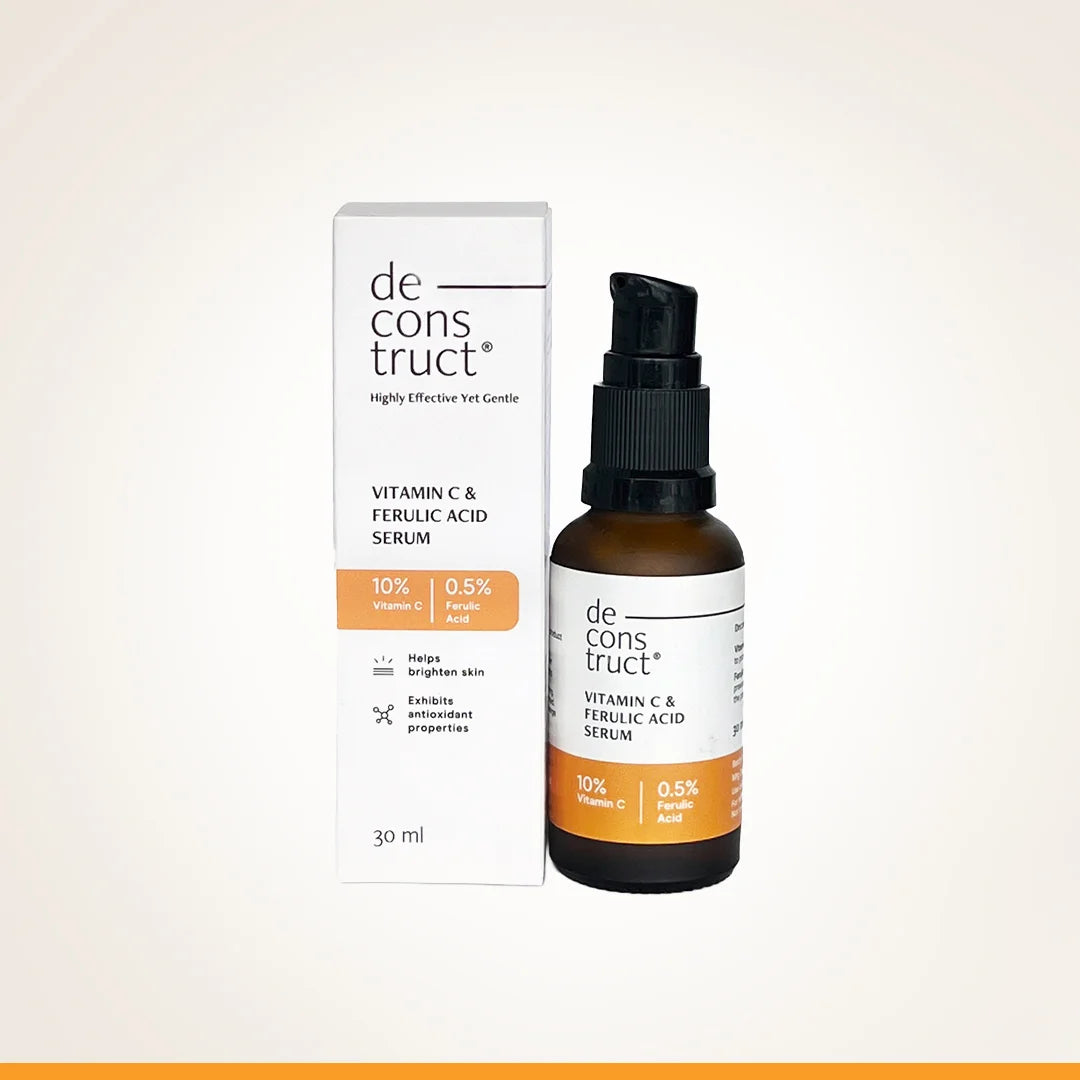
Deconstruct — Vitamin C & Ferulic Acid Serum
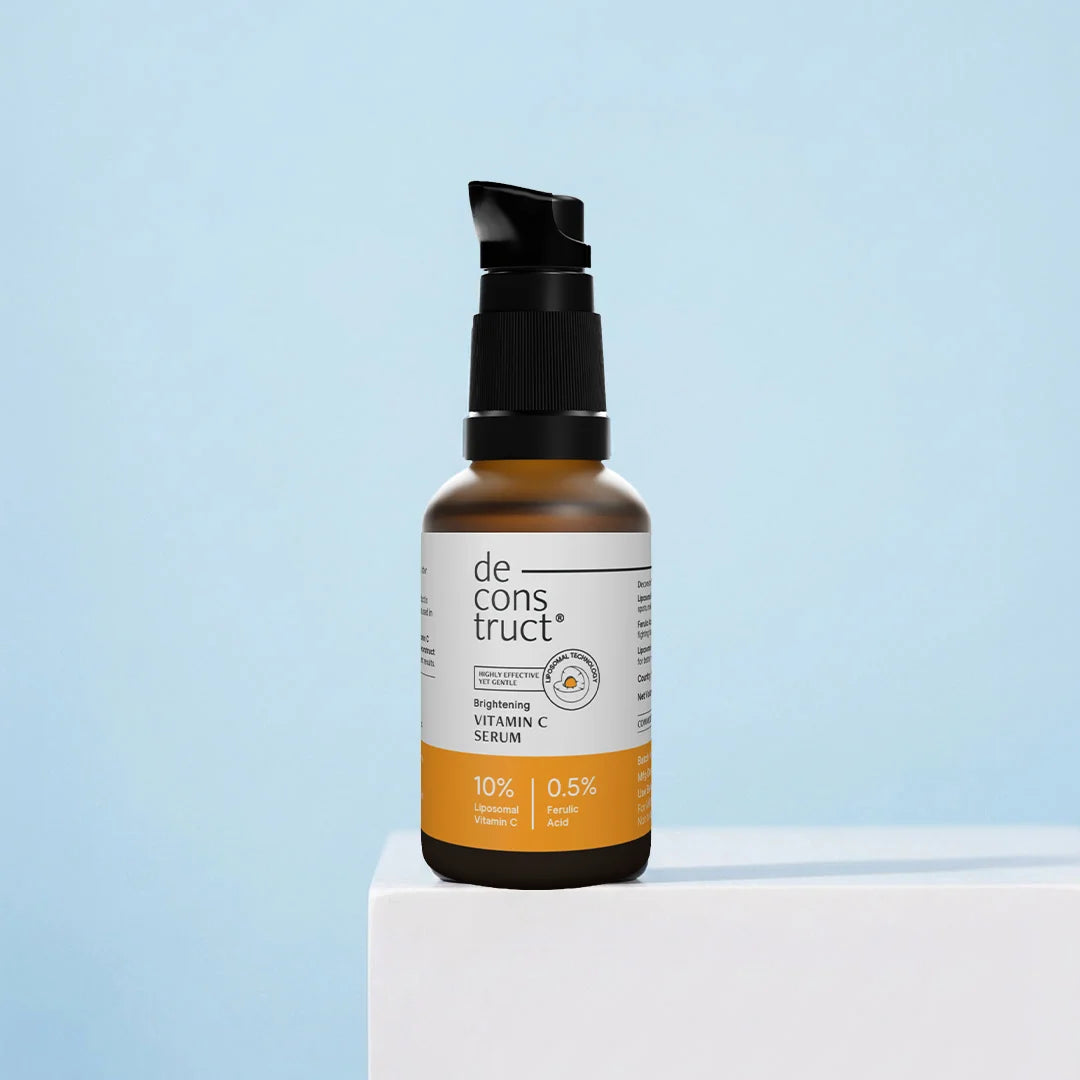
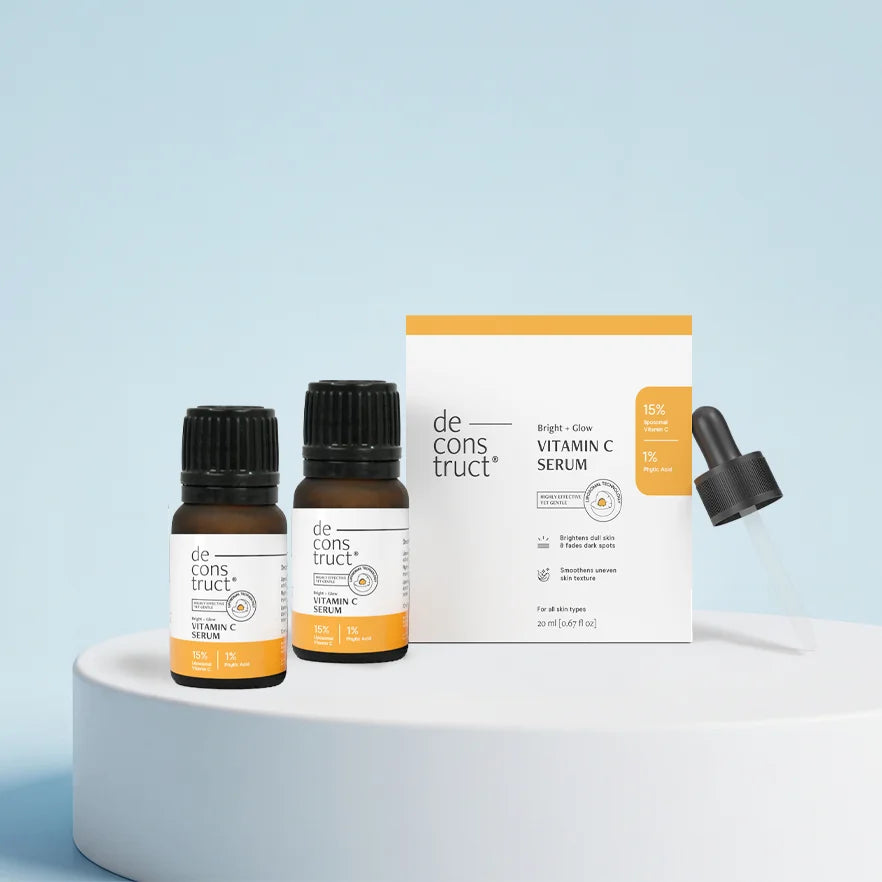
The safest approach is choosing a stable form of vitamin C, using the right concentration, and following a skin-barrier–friendly routine. Products like Deconstruct Vitamin C Serum are often recommended because they balance efficacy with skin tolerance something sensitive skin absolutely needs.
This guide explains how vitamin C supports collagen, which forms are safest, and how to choose and use a vitamin C serum without damaging sensitive skin.
Best Vitamin C Serums for Sensitive Skin
If your skin reacts easily, these types of vitamin C serums are generally safer choices:
-
Deconstruct Vitamin C Serum – A balanced formulation designed to deliver collagen-supporting benefits without overwhelming sensitive skin. Suitable for beginners and daily AM use.
-
Ethylated Vitamin C–based serums – Known for better stability and lower irritation compared to pure L-ascorbic acid.
-
Vitamin C + Ferulic Acid combinations – Ferulic acid improves antioxidant stability and reduces oxidative stress, which indirectly supports collagen health.
The key is not “strongest vitamin C,” but most skin-compatible vitamin C.
How Vitamin C Helps Collagen (And Why Sensitive Skin Still Needs It)
Collagen is the protein responsible for skin firmness, elasticity, and smooth texture. As we age or experience sun exposure collagen production slows down.
Vitamin C plays a direct role in collagen health by:
-
Stimulating collagen synthesis within the skin
-
Neutralizing free radicals that break down collagen fibers
-
Enhancing photoprotection when used under sunscreen
-
Improving overall skin resilience, which is crucial for sensitive skin
For sensitive skin, consistent low-irritation use is far more effective than sporadic use of high-strength formulas.
Which Forms of Vitamin C Are Safest for Sensitive Skin?
|
Vitamin C pH Level |
What It Means |
Impact on Sensitive Skin |
|
Low pH (~3–3.5) |
Higher potency and better penetration (typical of pure L-Ascorbic Acid) |
More effective but higher risk of irritation, stinging, or redness |
|
Skin-balanced pH (~4.5–6) |
Gentler formulation with slower penetration |
Better tolerated by sensitive skin, lower irritation risk |
|
Derivative-based formulas |
Ethyl Ascorbic Acid, SAP work effectively at higher pH |
Balanced collagen support with improved skin comfort |
Not all vitamin C is the same. The form of vitamin C matters more than the percentage.
1. Ethyl Ascorbic Acid (3-O-Ethyl Ascorbic Acid)
-
Highly stable
-
Penetrates skin efficiently
-
Much lower irritation risk
This is one of the best options for sensitive skin.
2. Ascorbyl Glucoside / Sodium Ascorbyl Phosphate
-
Water-soluble
-
Gentle and beginner-friendly
-
Gradual collagen support
Ideal for redness-prone or reactive skin types.
3. Low-Strength L-Ascorbic Acid (5–10%)
-
Most researched form
-
Strong collagen stimulation
-
Can irritate if concentration or pH is too aggressive
Only suitable if skin tolerance is good.
4. Tetrahexyldecyl Ascorbate
-
Oil-soluble
-
Very gentle
-
Works well for dry + sensitive skin combinations
Sensitive skin benefits more from consistent, gentle stimulation than aggressive treatment.
How to Choose a Vitamin C Serum Safely (Step-by-Step)
Step 1: Patch Test (Non-Negotiable)
-
Apply a pea-sized amount behind the ear or inner arm
-
Leave for 24–48 hours
-
Check for redness, itching, or burning
If there’s a reaction, do not apply it to your face.
Step 2: Start Low and Go Slow
-
Begin with 2–3 uses per week
-
Increase frequency only if skin remains calm
-
Visible collagen-related improvements take 8–12 weeks, not days
Step 3: Check the Formula (Critical for Sensitive Skin)
Look for:
-
Fragrance-free or low-fragrance formulations
-
Stable antioxidants (ferulic acid, vitamin E)
-
pH-balanced formulations
-
Airless or dark packaging (prevents oxidation)
Avoid:
-
Alcohol-heavy bases
-
Extremely low pH if your skin is reactive
Step 4: Layer Correctly
Morning routine (recommended):
-
Gentle cleanser
-
Vitamin C serum
-
Moisturizer
-
Broad-spectrum sunscreen
Night routine:
-
Avoid using strong retinoids on the same night if your skin is sensitive
-
Alternate nights if needed
Vitamin C + sunscreen is one of the best anti-aging and collagen-preserving combinations.
Why Deconstruct Vitamin C Serum Works Well for Sensitive Skin
Deconstruct Vitamin C Serum is formulated to support collagen while respecting the skin barrier.
Why it fits sensitive skin routines:
-
Uses a skin-tolerant vitamin C concentration
-
Often paired with stabilizing antioxidants
-
Lightweight texture that layers well under sunscreen
-
Designed for consistent daily use rather than aggressive correction
For sensitive skin, this kind of formulation encourages long-term collagen support without flare ups which is exactly what you want.
Final Verdict: Best Vitamin C Serum with Collagen for Sensitive Skin
The best vitamin C serum with collagen benefits for sensitive skin is one that prioritizes stability, formulation quality, and skin tolerance over high percentages.
If your goal is brighter skin, improved firmness, and long-term collagen support without irritation, starting with a balanced option like Deconstruct Vitamin C Serum, following proper patch testing, and maintaining sunscreen discipline is the safest and smartest path forward.
Common Questions People Ask
Is 10% vitamin C too strong for sensitive skin?
Not always, but many people do better with gentler derivatives or slower frequency. Strength matters less than tolerance.
Can vitamin C really boost collagen?
Yes—but results are gradual. Expect firmness and texture improvement after 2–3 months of consistent use.
Can I use vitamin C with retinol?
Yes, but for sensitive skin it’s safer to use them on alternate nights or vitamin C in the morning and retinol at night.