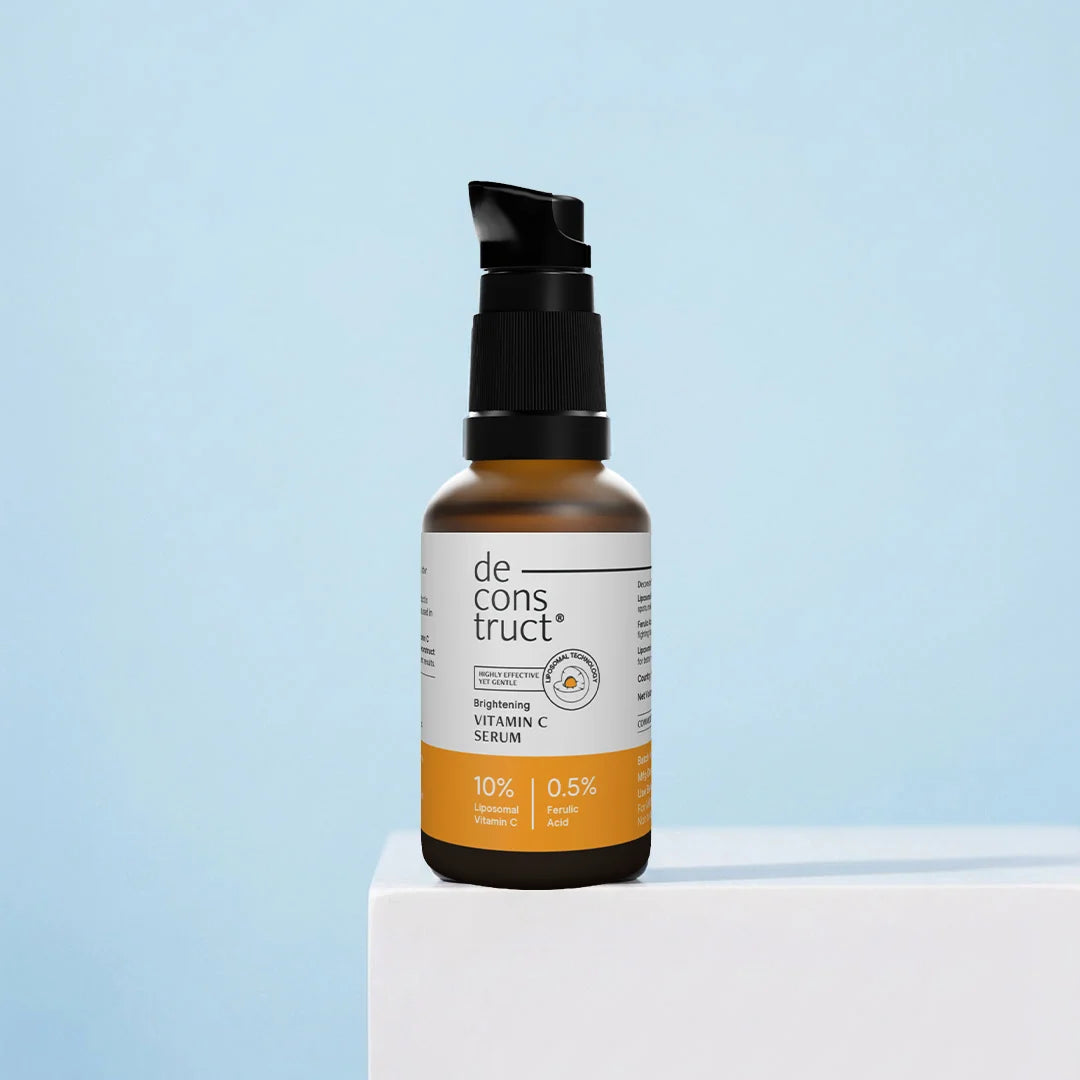

Vitamin C serums are among the most researched skincare products today. Yet product pages often display phrases like “clinically proven,” “dermatologist approved,” or “tested for visible results.” Without context, these claims reveal very little about actual performance.
Understanding how clinical claims work helps separate structured dermatological evidence from marketing language. This guide explains what clinical testing means, how to evaluate study quality, and what truly determines whether a vitamin C serum delivers visible results.
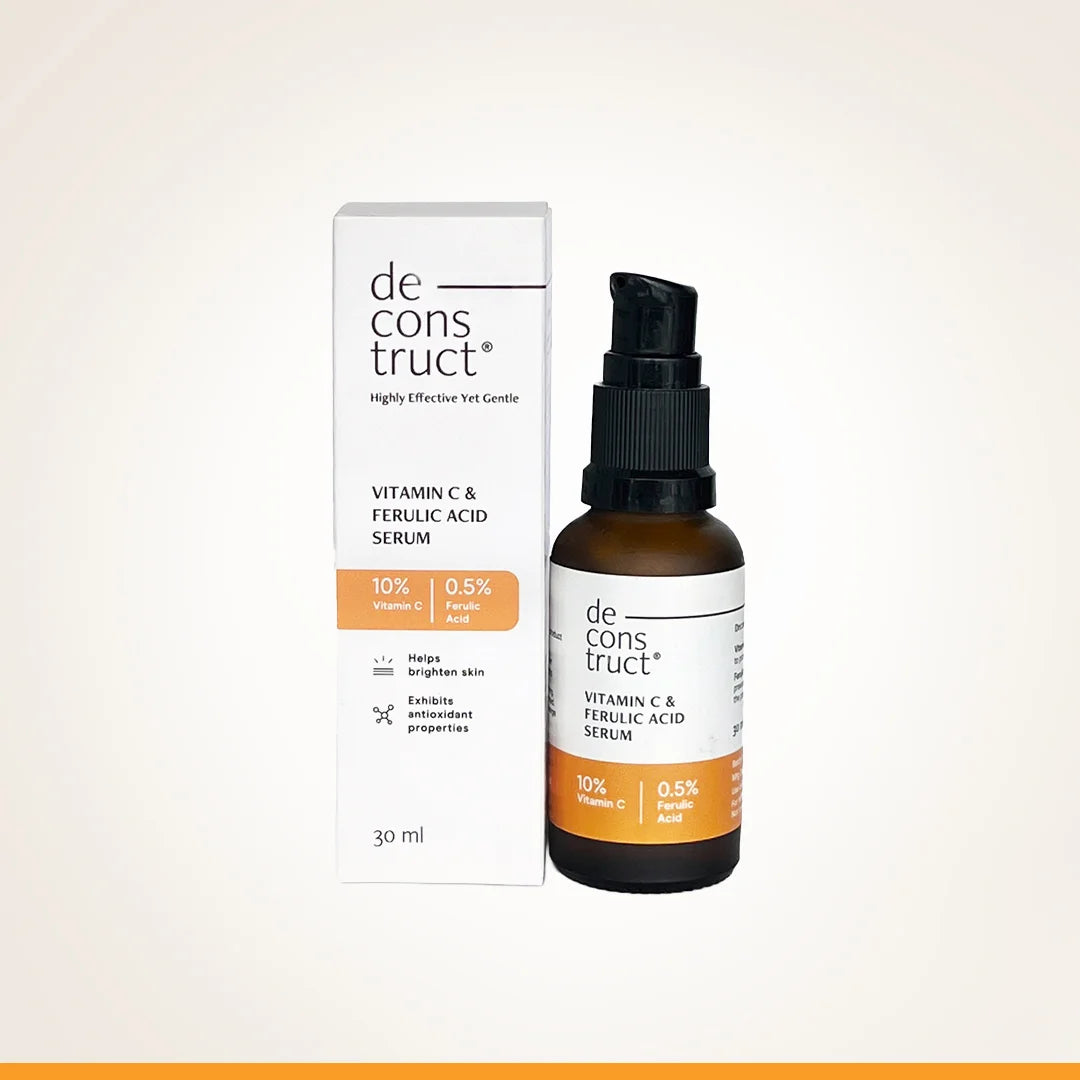
Clinically Tested Vitamin C Serum
What Clinical Claims Mean in Skincare
A clinical claim suggests that a product’s performance is supported by research or testing. However, the strength of that evidence depends on how the testing was conducted.
- In-vivo human clinical trials
- In-vitro laboratory testing
- Consumer perception surveys
Vitamin C is commonly associated with collagen synthesis, antioxidant protection, hyperpigmentation reduction, and photoaging improvement. Because of this reputation, some brands rely on ingredient popularity instead of transparent study data.
What Peer-Reviewed Research Says About Vitamin C
Scientific literature supports topical vitamin C when formulated correctly.
A review published in the Journal of Clinical and Aesthetic Dermatology explains that topical vitamin C contributes to collagen production, reduces oxidative stress, and improves uneven pigmentation when used consistently.
View peer-reviewed clinical review on Vitamin C
Another dermatology review highlights vitamin C’s protective role against UV-induced damage and free radical stress.
View dermatology review on antioxidant role of Vitamin C
Effectiveness depends on formulation stability, concentration, pH balance, and delivery system — not just ingredient presence.
Types of Studies Used in Vitamin C Serum Claims
In-Vivo Human Clinical Trials
Conducted on real participants under controlled conditions, typically 8–12 weeks. These measure outcomes such as pigmentation reduction, brightness improvement, and wrinkle visibility.
In-Vitro Laboratory Testing
Measures antioxidant activity in controlled lab environments. While scientifically useful, these do not fully reflect real skin conditions.
Consumer Perception Studies
Survey-based studies where users report how their skin felt or appeared. These are subjective and not instrument-measured results.
Clinical Trial vs Consumer Study Comparison
| Factor | Clinical Trial (In-Vivo) | Consumer Study |
|---|---|---|
| Participants | Controlled human subjects | General users |
| Evaluation Method | Dermatologist & instrument-based | Self-reported feedback |
| Duration | 8–12 weeks | 2–4 weeks |
| Data Type | Measured pigmentation & wrinkles | Perception-based |
| Reliability | High | Moderate to Low |
Why Vitamin C Formulation Matters More Than Percentage
Higher concentration does not automatically mean better results.
Pure L-ascorbic acid is widely studied but unstable. Modern formulations often use stabilized derivatives such as 3-O-Ethyl Ascorbic Acid, which offer improved stability, better penetration, and reduced irritation potential.
For a detailed breakdown of dermatologist-preferred formulations, explore this guide on vitamin C serums recommended by dermatologists.
What Strong Clinical Proof Should Include
- Sample size (30+ participants)
- 8–12 week duration
- Clearly defined measurable endpoints
- Third-party or independent testing
- Transparent methodology
How to Evaluate a Vitamin C Serum Before Purchase
- Type of vitamin C (e.g., 3-O-Ethyl Ascorbic Acid)
- Stabilizing antioxidants such as Ferulic Acid
- Opaque, air-restrictive packaging
- Published study transparency
- Consistent usage recommendation
If you want to explore a formulation combining vitamin C with Ferulic Acid for antioxidant stability support, review this Vitamin C and Ferulic Acid Serum.
Proper Usage for Maximum Results
Even a well-formulated serum requires correct application.
For routine layering and timing guidance, refer to how to use vitamin C serum on face correctly.
If you are comparing formulations in India, this breakdown of which vitamin C serum is best for face in India provides ingredient-level insights.
Common Red Flags in Vitamin C Serum Claims
- “Up to 70% improvement” without context
- No study duration mentioned
- Ingredient research shown as product proof
- No measurable criteria explained
Final Takeaway
“Clinically proven” should represent structured human testing, not just attractive packaging language. Evaluate transparency, duration, measurable endpoints, and ingredient stability before trusting a vitamin C serum claim.
FAQs on Clinical Claims in Vitamin C Serums
What does clinically tested mean?
It indicates the product underwent some form of testing but does not guarantee measurable results unless study details are shared.
Are consumer studies reliable?
They reflect user perception rather than instrument-based evaluation.
Is higher vitamin C concentration better?
No. Stability and formulation matter more than percentage alone.
How long should clinical testing last?
Most reliable vitamin C studies run 8–12 weeks to demonstrate measurable improvement.
Can ingredient research prove finished product performance?
No. Stability, pH, delivery system, and supporting antioxidants affect final outcomes.