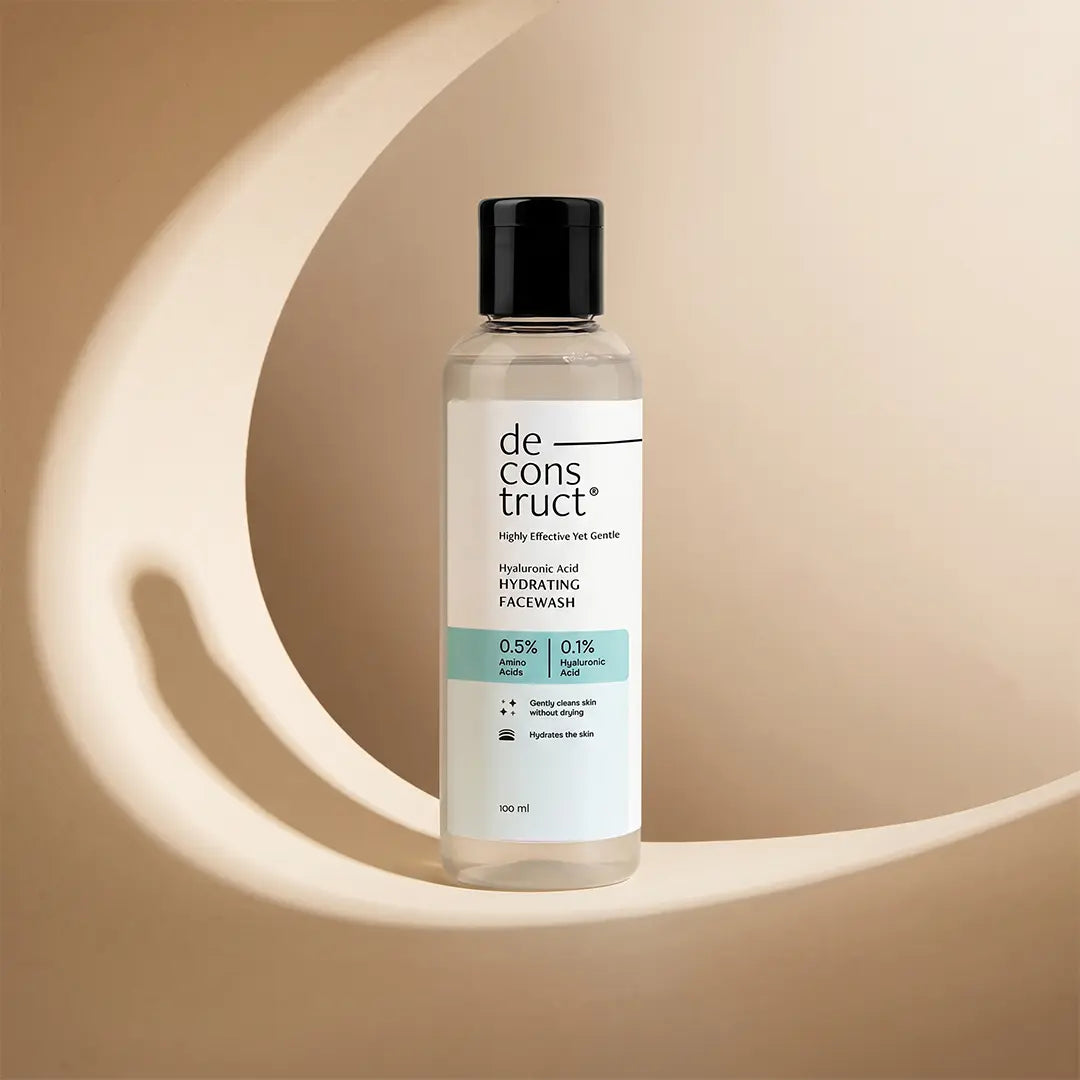

Most people cleanse their face out of habit without truly understanding the importance of face washes. Your facial skin accumulates dirt, oil, sweat, pollution particles, and makeup throughout the day. Face wash helps remove all the dirt, oil, and impurities that harm the skin barrier, making it a skin protective measure.
In this guide, we break down the benefits of a face wash and show you how a simple cleansing step can transform your skin.
Key Benefits of Using Face Wash
If you’re wondering why face wash is important for skin, here’s the answer for you:
-
Removes dirt, oil, pollutants, and other impurities
-
Prevents clogged pores and acne.
-
Balances your skin’s pH levels.
-
Prepares skin for active ingredients.
-
Control excess sebum.
-
Hydrates and softens skin.
-
Protects the skin barrier and microbiome.
How Face Wash Actually Works
Why use face wash when you can rinse with water? Well, water alone can’t dissolve oils, sunscreen, or makeup, which is why using a proper face wash is important for skin hygiene and long-term barrier health.
Face washes use surfactants that form micro-bubbles to lift away dirt and oil. Furthermore, pH-balanced formulas mimic the skin’s natural pH, cleansing without stripping oils or disrupting the barrier. Thus preventing irritation and redness. Water all cannot perform these functions.
Cleansing also preps the skin for better absorption of serums and moisturizers, improving the overall effectiveness of your routine.
9 Proven Benefits of Face Wash
Below are 9 reasons why washing your face is important:
1. Removes Dirt, Oil, and Daily Pollutants
Urban environments expose your skin to dust and micro-particles, which clog your pores. Cleansing removes all the dirt, oils, and pollutants, keeping pores clean and skin fresh.
An evening cleansing removes all the impurities from the day, while morning cleansing gets rid of overnight oil and sweat.
2. Prevents Acne and Breakouts
Skin’s oil mixes with sweat, dirt, and makeup to clog pores, which creates the ideal environment for acne-causing bacteria to grow. Thus leading to acne and breakouts.
Deconstruct salicylic acid face wash is one of the best cleansers for acne-prone skin. It is formulated with 2% Salicylic acid to clear your pores and acne, and 1.5% Niacinamide to balance oiliness.
3. Controls Excess Sebum and Shine
Oil control does not equal dryness. It means to balance your skin’s oil production to keep your skin adequately hydrated with no excess surface shine.
Pro tip: Ingredients like Salicylic acid, Vitamin C, and Green tea work best for oily skin, while combination skin can explore Niacinamide and Ceramides.
4. Prepares Skin for Active Ingredients
Face washes gently exfoliate and remove all buildup, priming your skin for absorption. Thus allowing serums and retinoid treatments to penetrate properly and work well.
Apply a toner after cleansing to hydrate your skin quickly. Follow with a serum to target specific concerns. Next, use a moisturizer and end with sunscreen.
5. Maintains Healthy Skin pH
A pH-balanced cleanser keeps the protective barrier intact to prevent irritation, dryness, and bacterial overgrowth. If your skin feels tight or dry immediately after washing, turns red, and has a “squeaky clean” feel, chances are that your cleanser is too harsh.
6. Supports the Skin Microbiome
Your skin’s microbiome contains beneficial bacteria that protect against irritation and inflammation. A gentle, pH-balanced face wash cleans without disturbing them, while harsh cleansers or over-washing disrupt this balance and weaken the barrier.
7. Removes Makeup and Sunscreen Effectively
Double cleansing in the evening breaks down heavy sunscreen and long-wear makeup, making cleansing easier. It helps avoid pore blockage and acne. Here’s how to do it:
-
Start with an oil/balm cleanser to dissolve sunscreen, makeup, and oil.
-
Massage for 20-30 seconds and rinse well.
-
Follow with a gel/cream cleanser to remove leftover residue.
-
Rinse and pat dry.
8. Hydrates and Softens Skin
Look for cleansers with Glycerin, Hyaluronic Acid, or Panthenol to clean and hydrate your skin without stripping natural oils. Avoid harsh scrubbing and rubbing to prevent that “tight” feeling after washing.
9. Improves Skin Clarity and Radiance
Consistent cleansing reduces dullness, evens out texture, and improves skin tone. Over time, skin looks clearer and more refined.
How Often Should You Wash Your Face? (By Skin Type)
The advantages of a face wash multiply when used correctly. Below is how often you need to wash your face:
-
Oily/Acne-Prone Skin: Twice daily with gel-based cleanser like Oil Control Face Wash.
-
Dry/Sensitive Skin: Twice daily with a hydrating creamy or gel cleanser like Hydrating Face Wash.
-
Normal/Combination: Hydrating cleanser in the morning, followed by a deep cleanse in the evening.
-
After workouts/sweat: Rinse with water or use a mild cleanser.
How to Choose the Right Face Wash (Decision Guide)
The right face wash is formulated in skin-compatible textures to avoid irritation and weakened barriers. Here’s how to choose the best cleanser for your skin type:
-
Consider texture:
-
Gel: Formulated for oily/acne-prone skin to remove excess sebum without stripping the barrier.
-
Cream: Designed for dry/sensitive skin to add moisture while cleansing, preventing tightness.
-
Foam: Balances oil removal in the T-zone while hydrating cheeks for combination skin.
-
Oil/balm: Dissolves makeup and heavy SPF.
-
Choose ingredients wisely:
-
Opt: Hydrating ingredients like Glycerin, Ceramides, and Hyaluronic acid. Pair them with actives like Salicylic Acid, Vitamin C, and Niacinamide for targeted action.
-
Avoid: Barrier-disrupting SLS, alcohol, and products with heavy fragrances.
Step-by-Step: How to Wash Your Face Correctly
Follow the steps below to enjoy all the benefits of cleansing your face:
-
Wash your hands well.
-
Dampen your face with lukewarm water.
-
Apply pea-sized cleanser and massage gently for 30–60 seconds.
-
Rinse thoroughly.
-
Gently pat dry. Avoid rubbing as it irritates and stretches skin.
-
Follow with a toner, serum, and moisturizer.
7-Day Face Wash Routine — What to Expect
What are the benefits of using a face wash for 7 straight days? In the first 3 days, the skin feels cleaner, less oily, and refreshed. By days 4 to 7, you may notice reduced dullness and fewer clogged pores.
You can track your progress by taking a daily mirror check, observing changes in oil levels, and maintaining a skin diary to reflect on how your skin feels.
Pro tip: If irritation occurs, switch to a gentler formula or speak to a dermatologist.
Common Face Wash Mistakes (and How to Fix Them)
There’s a chance you may make mistakes while using a face wash. Below are some common mistakes with their solutions:
-
Over-cleansing: Switch to twice or once daily, based on skin type.
-
Using hot water: Strips natural oils. It is best to switch to lukewarm or cold water.
-
Not removing makeup before washing: Makes cleansing ineffective. Use balm or micellar water to remove makeup before cleansing.
-
Using the wrong formula for your skin: Damages your skin barrier, leading to specific concerns. Match the formula and its ingredients to your skin type.
-
Skipping moisturizer post-wash: Leaves your skin dry. Moisturize with a lightweight moisturizer to keep your skin hydrated.
-
Mixing actives: Avoid using retinol with harsh exfoliants as they both increase cell turnover and can weaken the barrier. Consult a dermatologist to avoid adverse reactions.
Final Thoughts — Why Consistent Cleansing Matters
The right face wash is the foundation of every skincare routine, which cleanses, protects, and moisturizes your skin. It is important for unclogging pores, avoiding acne, and prepping your skin to absorb other skincare and makeup products.
Explore the best face wash for your skin type from Deconstruct to build a simple, effective routine.
FAQS
1. What are the main benefits of using a face wash?
Face washes remove impurities, control excess oil, and maintain a healthy skin barrier. They also prepare your skin to absorb other products and improve skin clarity.
2. Can I just wash my face with water instead of face wash?
You can, but it will not be as effective. Water cannot dissolve heavy makeup or sunscreen. A face wash is better suited.
3. How often should I use face wash?
Twice or once daily, depending on your skin type and health.
4. Is face wash necessary if I don’t wear makeup?
Yes. Even if you don’t wear makeup, your skin still accumulates dirt and oil, making it important to wash your face.
5. Does using face wash help prevent acne?
Yes. One of the benefits of face wash is unclogging pores, which prevents breakouts.
6. Why is face wash better than soap?
A face wash gently cleanses skin while maintaining its pH level. On the other hand, soaps strip natural oils and compromise your barrier.