
Two serums can contain the same active ingredient—and even show the same percentage on the label. Yet, they can behave differently on skin because the finished formula is more than just its hero ingredient. Concentration, pH, stability, delivery system, vehicle, supporting ingredients, and packaging can all influence how a serum feels, remains stable, and performs.
In this dermatologist-approved blog, we help you understand how one serum with the same ingredient can work differently, explain how serum formulations work, and how to pick the right serum formulation for you.
Why Doesn't the Ingredient List Tell the Whole Story?
Looking at an ingredient list these days is like reading a chemistry label. It has a lot of information regarding what's in the product, but it misses pH levels, how ingredients interact, how they are delivered to your skin, and how they may feel on it.
- Ingredient concentration
- Ratios between ingredients
- Solvent/vehicle
- pH levels
- Supporting ingredients
- Delivery system
- Stabilizers
- Texture modifiers
An ingredient list is merely a list of parts, not the entire recipe. All these factors can contribute to and determine how a serum formulation acts on your specific skin.
Does the Percentage of an Active Tell You How Effective a Serum Is?
People often assume the higher the concentration, the more effective the serum is going to be. But this is far from the truth. Higher percentages do not necessarily mean better results, nor do they tell you how effective a serum is going to be. More often than not, a higher concentration may increase the likelihood of irritation for some people.
- Skin tolerance matters
- How suitable it is for your specific skin type matters
- Formulation stability matters
How Does pH Change How a Serum Performs?
When you apply your serum, its pH level can influence how the formula behaves on your skin, including how well certain ingredients remain stable and how tolerable the formulation feels.
Why Does Serum Stability Matter?
According to the European Journal of Cardiovascular Medicine , the stability of active ingredients like Vitamin C and Retinol is important to help ensure that the active ingredient does not break down when exposed to heat, oxygen, and light.
Without adequate stability, a serum may lose potency or change in appearance, potentially affecting the performance of the active ingredient.
Vitamin C is a clear example.
Pure Vitamin C, or L-Ascorbic Acid, is highly unstable. When exposed to heat, light, and air, it can oxidise rapidly, which can reduce its effectiveness. Some skincare formulations, like Deconstruct, use 3-O-Ethyl Ascorbic Acid, a more stable derivative of Vitamin C, along with ferulic acid to support stability and antioxidant protection.
What Is a Serum's Delivery System?
How an active ingredient is delivered into your skin is referred to as the delivery system in a serum. Certain formulations use advanced delivery systems, such as liposomal technology, which can influence how the active ingredient is presented to the skin and how the overall formulation behaves.
If you're wondering how liposomal technology works, it involves encapsulating an active ingredient within microscopic structures called liposomes. These structures can help deliver the active ingredient more effectively within the formulation and influence how it interacts with the skin.
Why Can Two Serums With the Same 10% Ingredient Feel Completely Different?
The active ingredient makes up only a fraction of your serum. The remaining base or vehicle can influence the texture, absorption, and overall skin feel. This is why two serums with the same concentration can offer two different experiences for different people.
Here's what else can contribute to why a serum can feel one way for one person and completely different for another:
- Skin type
- Skin conditions
- Routine
- Skin tolerance
- Consistency
- Other products or actives
- Individual formulation variation
Here's what makes a good serum:
Concentration + Stability + Delivery + Tolerability + Formulation
Does Packaging Affect Serum Performance?
This is something you don't usually factor in when deciding on your serum, but packaging can be an important factor that affects how a serum performs.
Why?
- Oxidisation: For ingredients like Vitamin C, which can oxidise when exposed to oxygen, heat, and light, packaging can influence the formula's exposure to these factors.
- Photodegradation: Light can degrade certain active ingredients. When serums are stored in clear packaging, light may penetrate the container and affect the stability of light-sensitive ingredients.
- Contamination: Packaging design can also influence the risk of contamination during repeated use. For example, direct contact with droppers or other dispensing components can introduce contaminants into a product.
How Deconstruct Uses Formulation Beyond the Ingredient List
Deconstruct's recent serum reformulations focus not only on active concentration but also on:
- Stability
- Delivery of the ingredient
- Texture and feel of the serum
- How the formula behaves in a routine, especially when layering
Deconstruct has specifically focused on serum upgrades in terms of formulation and delivery rather than simply increasing active percentages.
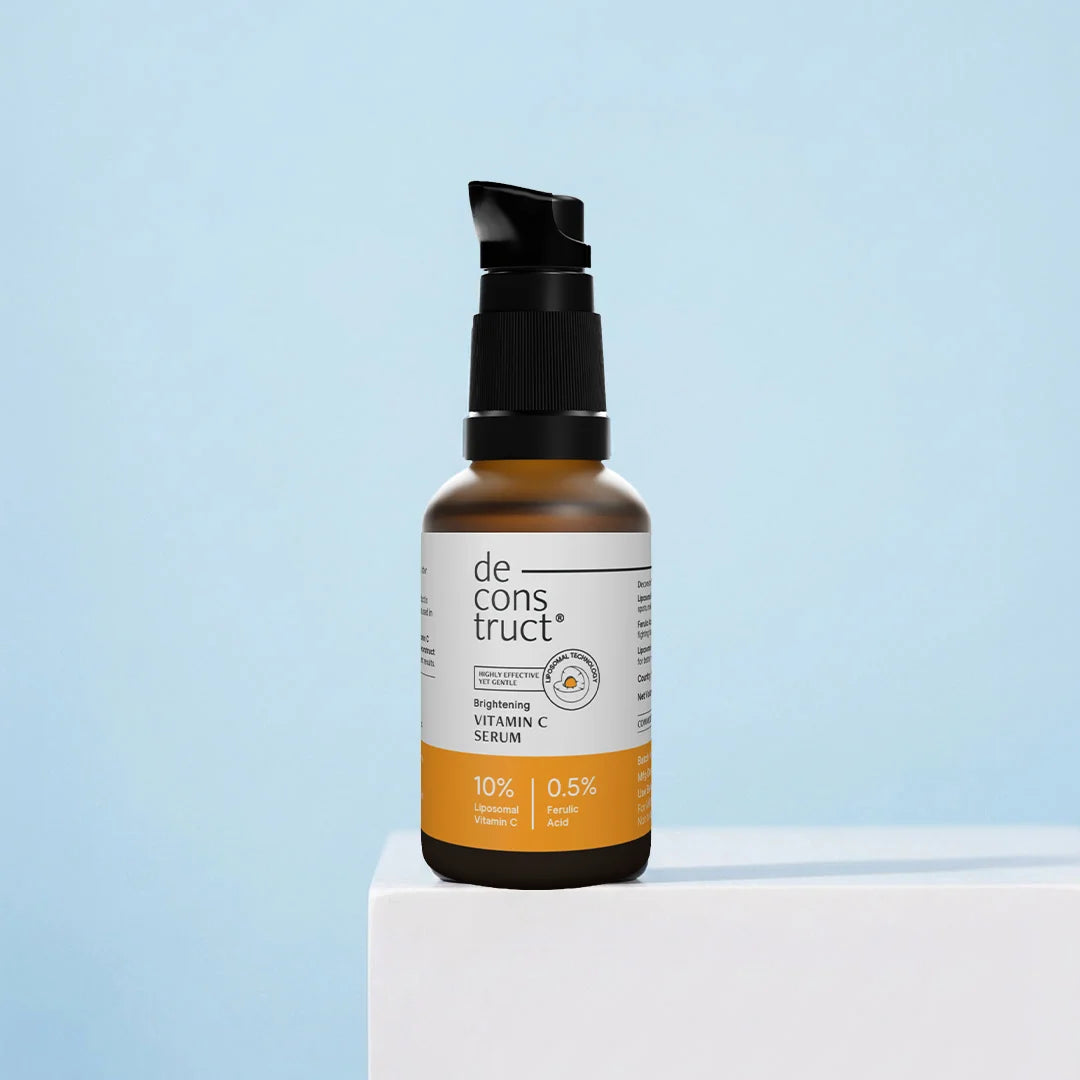
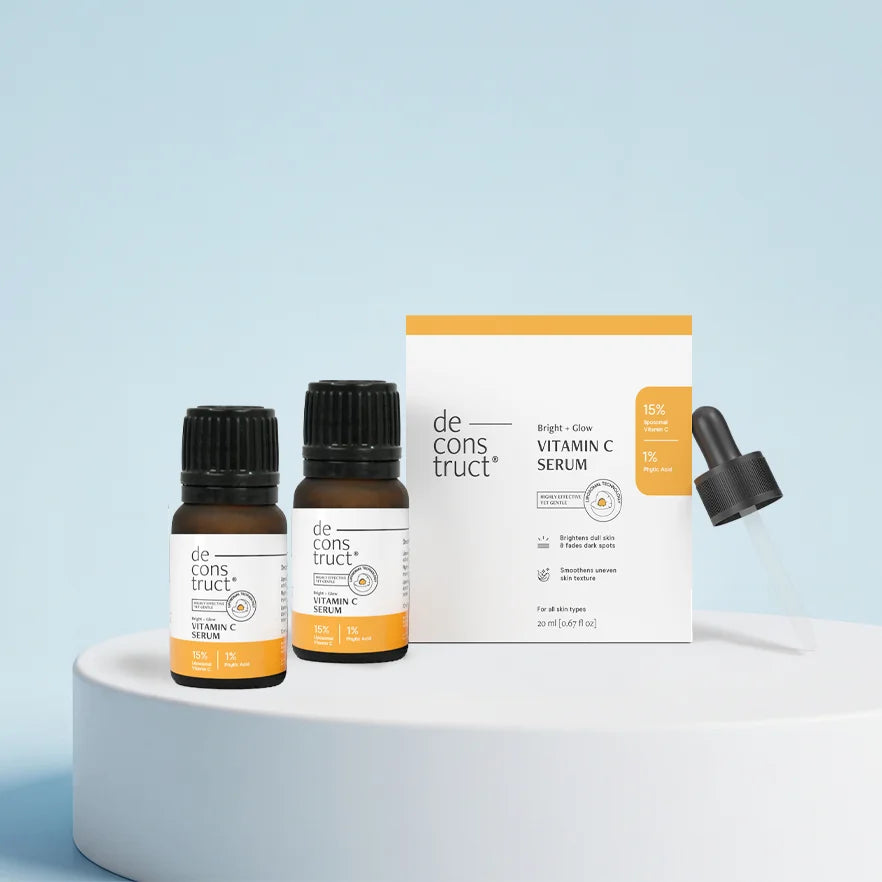
A great example of this is Deconstruct's Vitamin C Serum with Liposomal Technology .
Powered by liposomal technology, Deconstruct's Vitamin C serum is designed to support delivery of the active ingredient within the skin while maintaining the overall stability of the formulation.
Apart from delivery, the serum focuses on:
- Stability: With 0.5% ferulic acid to support stability and 3-O-Ethyl Ascorbic Acid, a more stable derivative of Vitamin C, the overall formula is designed for improved stability.
- Formula and texture: A watery-base and lightweight formula designed for skin comfort, with a non-drying and non-sticky texture.
- Calming and barrier-supporting ingredients: Ingredients like 0.5% Centella Extract and 0.25% Panthenol help support a soothing and comfortable formulation.
What Should You Compare When Choosing Between Two Similar Serums?
| Factor | Why It Matters |
|---|---|
| Active ingredient | Identifies the intended concern |
| Concentration | Indicates how much active is present |
| Formulation | Determines the overall delivery environment |
| Stability | Affects how well the active remains intact |
| Delivery system | Can influence how the formula presents the active |
| Texture | Affects comfort and routine compatibility |
The Final Verdict
If you're wondering why one serum works one way for you, but another serum with the same concentration works differently for another person, the truth is that the active is only as good as the entire formulation system supporting it.
The active is only a fraction of a serum. There's more to a serum than chasing the highest concentration of an active. Look at the texture, stability of the formula, delivery technology, and overall formulation.
That's where the overall performance of a serum comes from: its entire formulation recipe. Choose smart, stable, and lightweight formulas based on your skin's needs rather than simply choosing the highest concentration.