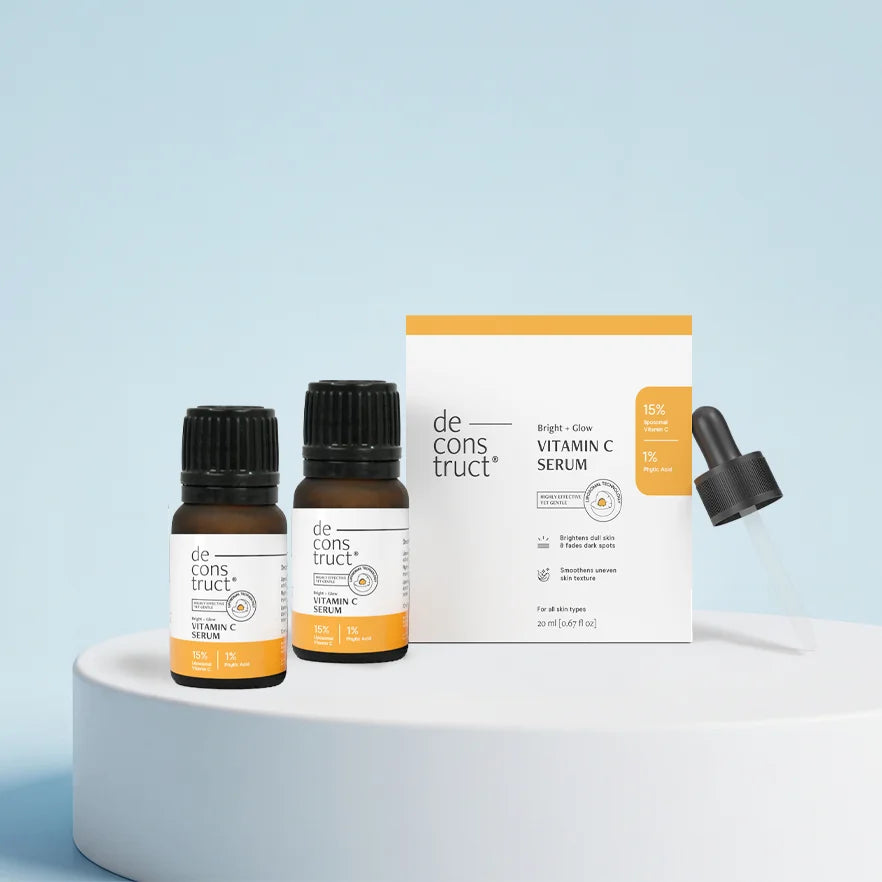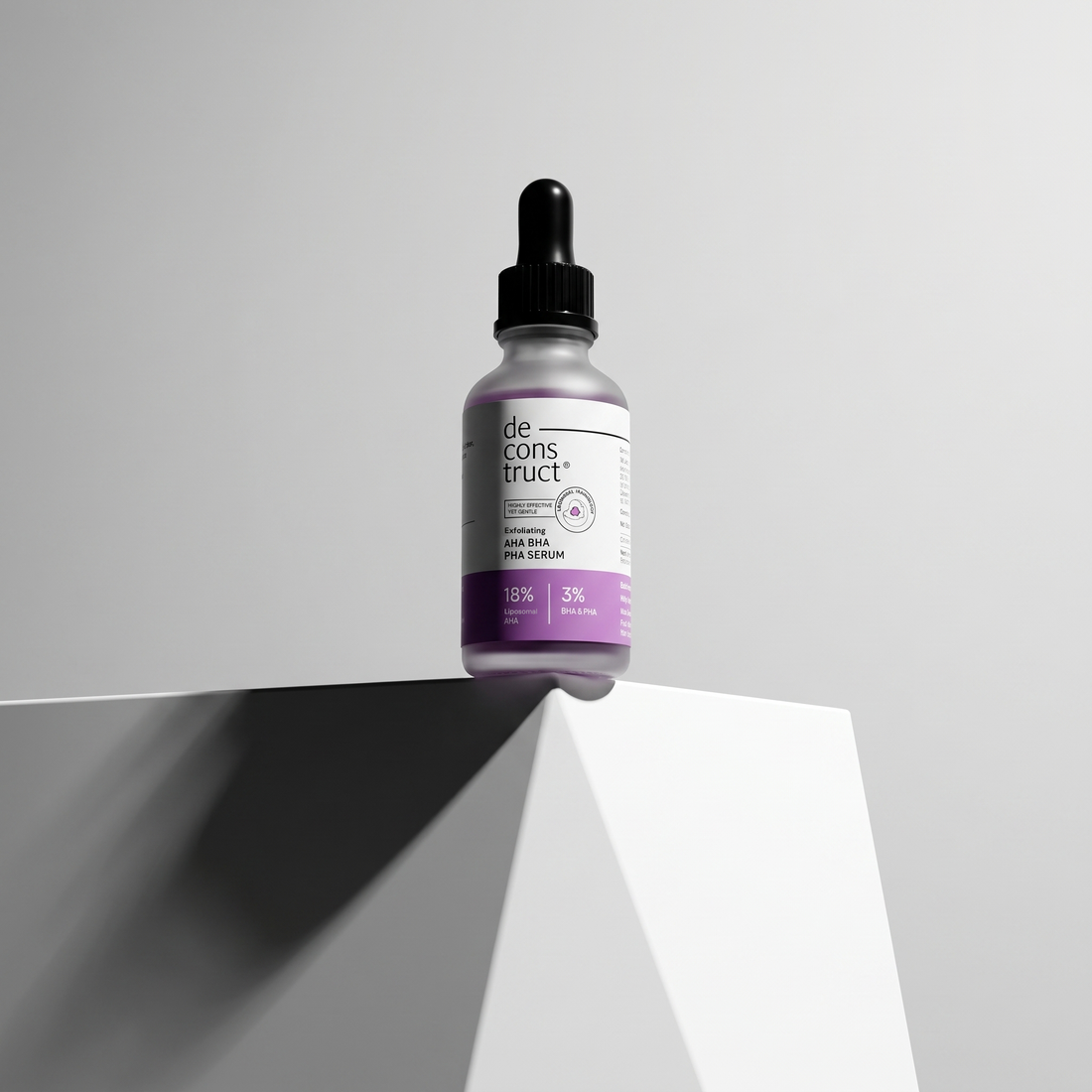

Serum or moisturiser first? Always serum, then moisturiser. The rule is simple — apply thinnest to thickest. Serums are lightweight, active-packed treatments that need to reach bare skin to absorb, while moisturiser goes on top to seal in hydration. Get the order wrong and the moisturiser blocks the serum, so the actives never penetrate. This applies to oily skin just as much as any other — and yes, oily skin genuinely needs both steps.
Layering is one of the most common points of confusion in skincare, and getting it wrong quietly undermines everything in your routine. This dermatologist-approved guide explains why order matters and exactly how to sequence a serum and moisturiser for oily skin.
The Short Answer: Apply Serum Before Moisturiser
If you only remember one thing: serum before moisturiser, always.
Why Product Order Matters
Layering from thinnest to thickest ensures each product absorbs properly, prevents heavy creams from blocking active ingredients, reduces pilling, and minimises irritation — so your skin gets the maximum benefit from every step.
The Correct Order for Most Routines
The rule of thumb is thinnest (water-based) to thickest (creams). The standard sequence is:
- Cleanser
- Serum
- Moisturiser
- Sunscreen (morning only)
Why Serums Come First
Serums are concentrated formulas that need clean, bare skin for maximum penetration.
Lightweight Formulas Absorb More Easily
Serums have a thin, lightweight consistency packed with small active molecules, designed to deliver targeted actives deep into the skin — which only works if nothing is blocking the way.
Moisturisers Create a Protective Layer
Moisturisers are built to seal hydration in and act as a protective shield over the skin. Apply moisturiser before your serum and the serum can't get through that barrier.
The Wrong Order Reduces Effectiveness
A blocked serum just sits on top of the skin without absorbing and eventually evaporates — wasting the most active, treatment-focused step in your routine.
Why Oily Skin Still Benefits From Both Products
Serums and Moisturisers Do Different Jobs
A serum delivers targeted actives to address specific concerns like acne or pigmentation. A moisturiser locks in hydration and supports the barrier. They aren't interchangeable — you need both.
Oily Skin Needs Hydration Too
Oily skin still needs hydration. When it's under-moisturised, the sebaceous glands can overproduce oil to compensate, leading to more shine — so skipping hydration can actually make oiliness worse, not better. The fix is a lightweight oil-free moisturiser for oily skin, not no moisturiser at all.
Recommended Serum: Deconstruct Vitamin C Serum
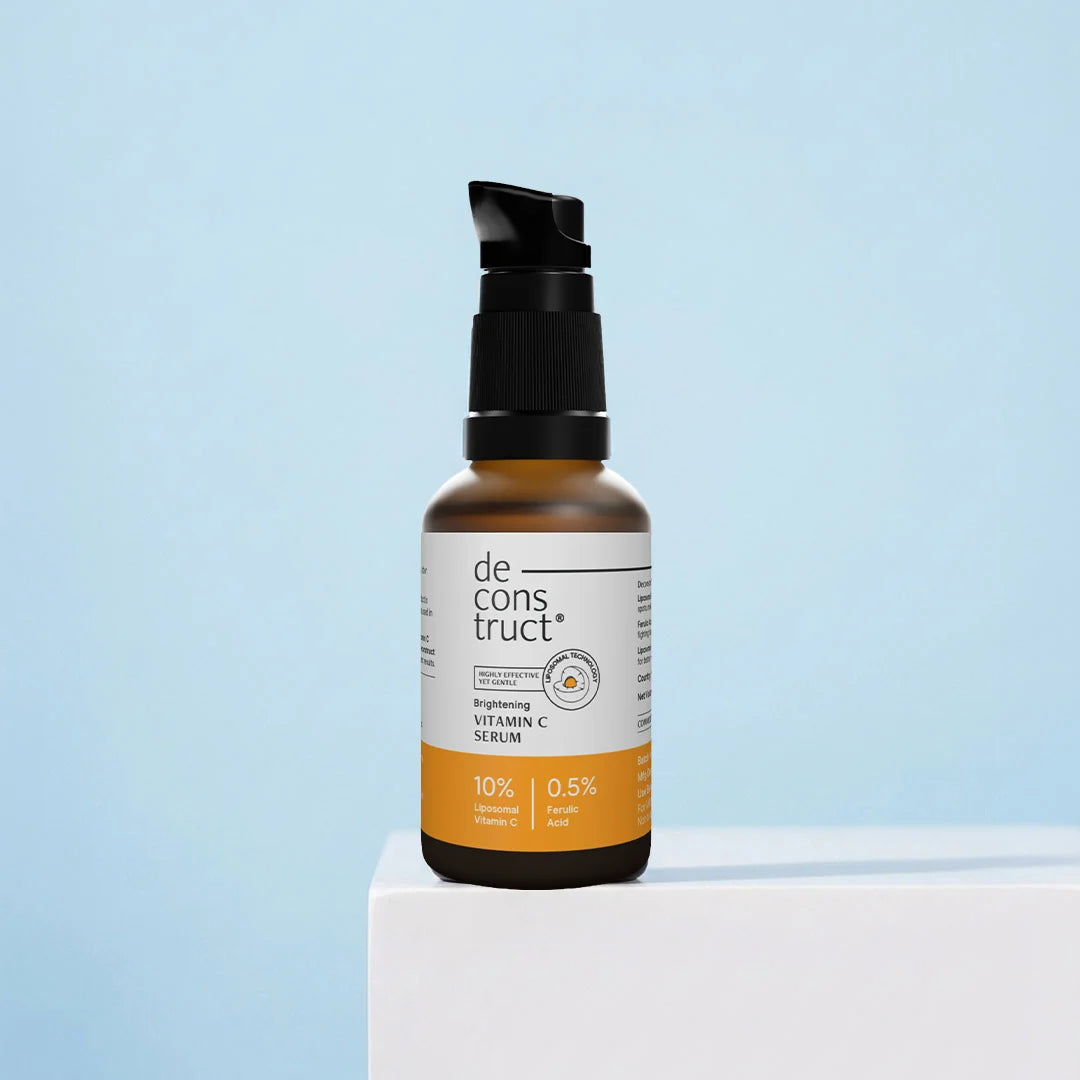
Deconstruct — Vitamin C + Ferulic Acid Serum
For oily skin, choose a lightweight, water-based serum. Deconstruct’s Vitamin C Serum with Liposomal Technology is a strong pick — a water-based vitamin C serum for oily skin that fits a morning routine well:
- Supports brighter-looking skin and improved radiance
- Lightweight, water-based texture suited to oily skin
- 10% liposomal Vitamin C for targeted delivery and skin comfort
- Layers cleanly under sunscreen with no greasiness or white cast
Recommended Moisturiser: Deconstruct Oil-Free Moisturizer
After the serum, Deconstruct’s Oil-Free Moisturizer completes the routine — an oil-free moisturiser for oily, acne-prone skin that:
- Lightweight, oil-free formulation for oily and acne-prone skin
- Maintains hydration without a greasy finish or added heaviness
- Contains Natural Moisturising Factors that attract and bind moisture to skin cells, supported by panthenol for barrier hydration (Cosmetics, MDPI, 2021)
- Comfortable under sunscreen and suitable for daily use
Simple Morning Routine for Oily Skin
| Step | Product |
|---|---|
| Step 1 | Gentle cleanser |
| Step 2 | Deconstruct Vitamin C Serum |
| Step 3 | Deconstruct Oil-Free Moisturizer |
| Step 4 | Broad-spectrum SPF |
Finish with daily SPF — explore lightweight sunscreens for oily skin to complete the morning.
Common Layering Mistakes to Avoid
Applying Moisturiser Before Serum
The serum can't penetrate the moisturiser layer, so it evaporates unused — the single most common layering error.
Using Too Many Products
Stacking too many products or actives at once can overwhelm the skin and worsen existing concerns, especially on oily or acne-prone skin. Keep it simple.
Skipping Moisturiser Because of Oily Skin
Skipping hydration to avoid heaviness backfires — it can push the sebaceous glands to produce more oil to compensate. A lightweight oil-free formula solves the comfort concern without the grease.
Final Thoughts
Proper layering maximises the benefit of every product, and the rule is simple: thinnest to thickest, serum always before moisturiser. Oily skin benefits from both the treatment and hydration steps — a lightweight vitamin C serum for oily skin followed by an oil-free moisturiser for oily skin work together in a simple, effective routine without adding heaviness, grease or shine.
FAQs
Which should I use first, serum or moisturiser?
Serum first, then moisturiser. Serums are targeted treatments that need to be applied directly to clean skin for maximum absorption, while moisturiser goes on top to seal in hydration.
Do I need moisturiser if I have oily skin?
Yes. Oily skin still needs hydration — if it's under-moisturised, the sebaceous glands can overproduce oil to compensate, causing more shine. A lightweight, oil-free moisturiser is the answer.
Which serum is best for oily skin?
A lightweight, water-based serum is ideal. A vitamin C serum with liposomal technology suits oily skin well, offering targeted delivery and gradual release with minimal irritation.