
Dark or unevenly pigmented lips can look different from person to person, and not every case needs the same approach. For women looking for a lip balm for dark or pigmented lips, the focus should be on choosing a formula that protects the lips during the day, keeps them moisturised and, when appropriate, contains ingredients that support a more even-looking lip tone.
A lip balm cannot change your natural lip colour, but the right daily formula can help protect against factors that may contribute to further darkening while keeping dry, chapped lips comfortable. When choosing one, look beyond colour or fragrance and consider SPF, moisturising ingredients, pigmentation-focused ingredients and how comfortable the formula is to use consistently.
If you want to understand the different causes of dark lips in more detail, read our guide on how to get rid of dark lips and what can cause lip pigmentation.
What Should Women Look for in a Lip Balm for Dark Lips?
The best lip balm for pigmented lips is not necessarily the one with the longest ingredient list. A useful daily formula should address the basic needs of the lips first: protection, moisturisation and comfortable reapplication.
1. SPF for Daytime Protection
The lips receive regular sun exposure, and the delicate skin of the vermilion can be particularly vulnerable to UV-related dryness and damage. A lip balm with broad-spectrum SPF can help protect the lips during daytime exposure.
If you're specifically interested in sun protection for the lips, read our detailed guide on why SPF lip balm is important.
2. Moisturising and Barrier-Supporting Ingredients
Dryness can make lips look rough, dull and uneven. A lip balm containing emollients and moisturising ingredients can help keep the lips soft and comfortable.
Ingredients such as shea butter, murumuru butter and vitamin E can provide emollient support, while humectants such as hyaluronic acid can help attract and retain water.
Keeping the lips moisturised is particularly important if they frequently become dry, flaky or chapped.
3. Pigmentation-Focused Ingredients
Some lip balms are formulated with ingredients intended to support a more even-looking lip tone. Vitamin C and resorcinol are examples of ingredients used in pigmentation-focused formulations.
However, choosing a lip balm with a brightening ingredient does not mean that more active ingredients will always produce better results. The overall formulation, daily sun protection and consistency of use still matter.
If you specifically want to understand Vitamin C in lip products, read our guide on Vitamin C lip balm for dark and pigmented lips.
4. A Formula You Will Actually Reapply
A lip balm only works as part of a routine if you are comfortable using it consistently. Look for a texture that feels pleasant on your lips and is easy to reapply during the day.
If you dislike a formula because it feels excessively sticky, heavy or uncomfortable, you are less likely to use it regularly. Comfort is therefore an important part of choosing a daily lip balm.
Tinted vs Non-Tinted Lip Balm for Dark Lips
Tinted and non-tinted lip balms can both be useful, depending on what you want from the product.
Tinted Lip Balm
A tinted lip balm can provide an immediate cosmetic effect by adding a subtle wash of colour while also providing moisturisation. It can be a practical option if you want your lips to look more even while using a daily lip-care product.
A tinted formula may also be convenient for daytime use when you want hydration, sun protection and a little colour in the same product.
Non-Tinted Lip Balm
A non-tinted lip balm may be preferable if you do not want added colour or if your primary goal is moisturisation. It can also be a simple choice for nighttime lip care.
The important point is that tint changes the appearance of the lips immediately, while skincare ingredients work differently and generally require consistent use over time.
Can a Lip Balm Make Naturally Dark Lips Pink?
Not necessarily. Natural lip pigmentation varies between individuals and is not something that needs to be "whitened" or removed.
If your lips are naturally darker, a lip balm should be viewed primarily as a way to maintain hydration and protect them from environmental exposure. For acquired uneven pigmentation, a well-formulated lip product may help support a more even-looking appearance over time, but results can vary depending on the underlying cause.
The more realistic goal is to keep the lips moisturised, protect them from UV exposure and avoid habits or products that repeatedly irritate them.
How to Use a Lip Balm for Dark or Pigmented Lips
Consistency is more useful than applying a lip balm occasionally and expecting a quick change. Your routine can be kept simple.
Morning
Apply a lip balm with SPF as part of your morning skincare routine. Make sure the product provides an even layer over the lips.
During the Day
Reapply when needed, particularly after eating, drinking or wiping your lips. Regular reapplication helps maintain moisturisation and daytime protection.
Night
At night, you can switch to a moisturising lip balm or lip sleeping mask if your main concern is dryness and comfort.
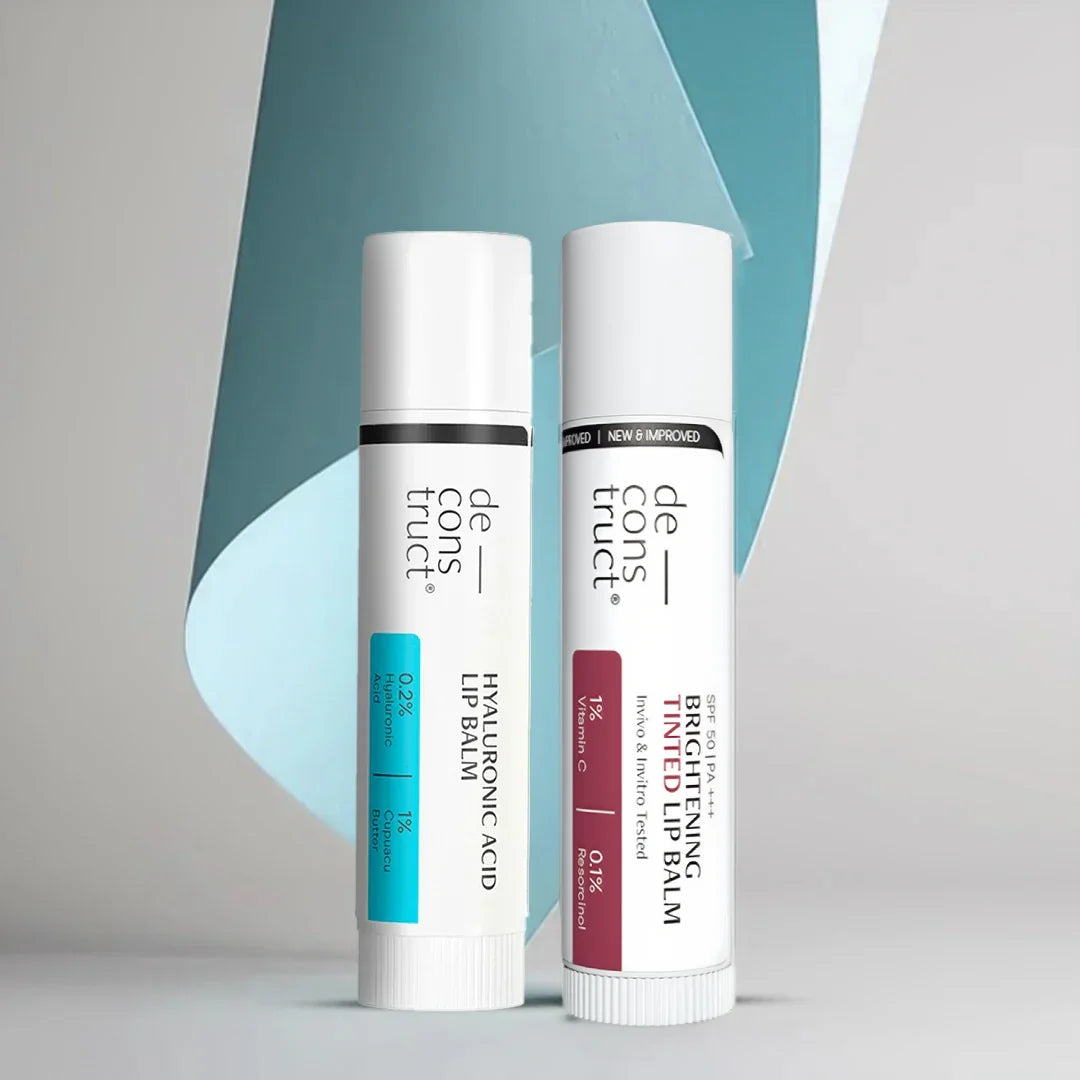
For nighttime hydration, you can consider the Deconstruct Hyaluronic Acid Lip Balm or the Deconstruct Lip Sleeping Mask.
What to Avoid When Choosing a Lip Balm for Pigmented Lips
Aggressive "Whitening" Products
Be cautious with products that promise to dramatically lighten your natural lip colour in a very short period. Irritation can make the lips uncomfortable and may work against your goal of maintaining an even-looking appearance.
Excessive Exfoliation
Scrubbing or repeatedly exfoliating the lips is not necessary for routine lip care. If your lips are already dry or irritated, excessive friction can make them feel worse.
Strong Fragrance When Your Lips Are Easily Irritated
If your lips frequently become dry or uncomfortable, a simpler formulation may be preferable. A pleasant fragrance is not more important than how well your lips tolerate the product.
Products That Encourage Constant Picking or Peeling
If your lips become flaky, avoid repeatedly pulling or peeling the loose skin. Focus on moisturisation and allow the lips to recover naturally.
Can Moisturising Help Lips Look Less Dark?
Moisturisation does not directly remove pigmentation, but it can improve the overall appearance and comfort of dry, rough-looking lips.
When lips are severely dry or flaky, uneven texture can make them appear dull or patchy. Regular use of a moisturising lip balm can help maintain a smoother surface and reduce dryness-related discomfort.
For pigmentation itself, daytime sun protection and an appropriate pigmentation-focused formula may be more relevant than moisturisation alone.
When Should You Choose a Brightening Lip Balm?
A brightening lip balm may be worth considering if your goal is to combine everyday lip care with ingredients intended to support a more even-looking lip tone.
Look for a formula that combines pigmentation-focused ingredients with moisturising ingredients and daytime SPF rather than relying on a brightening active alone.
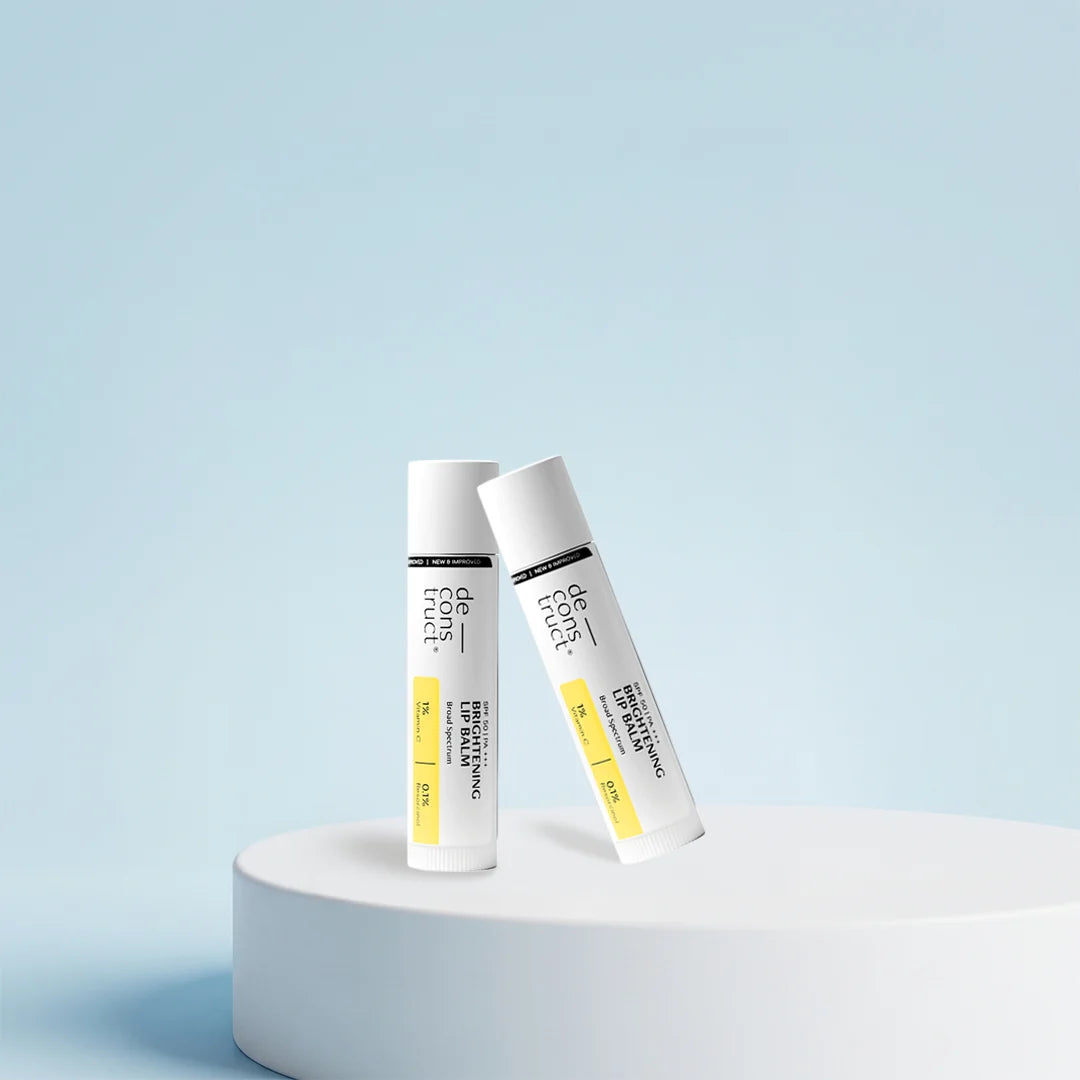
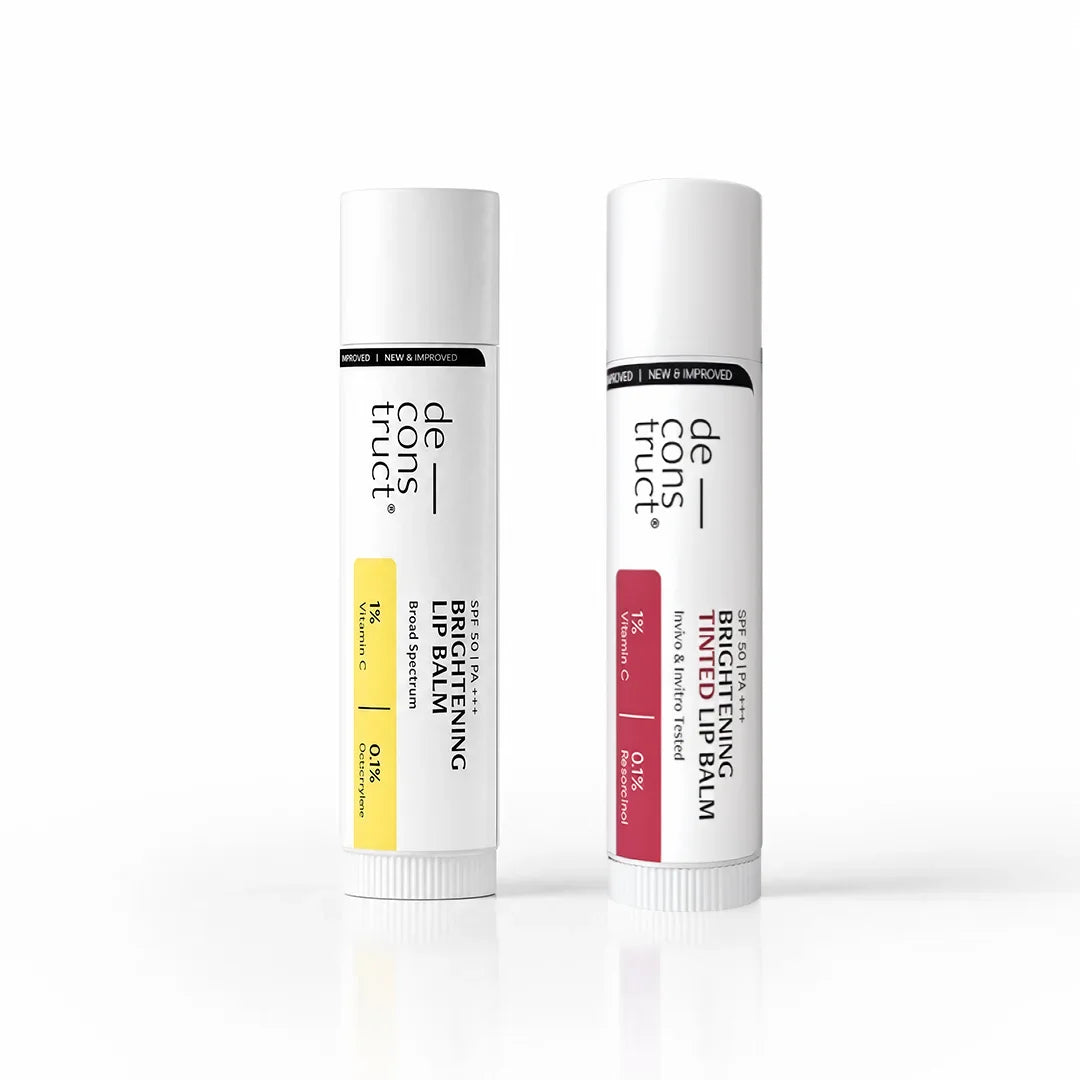
The Deconstruct Brightening Tinted Lip Balm SPF 50 combines 1% Vitamin C and 0.1% Resorcinol with SPF 50, along with moisturising ingredients including murumuru butter and vitamin E. It is designed for people who want pigmentation-focused care, daytime protection, hydration and a subtle tint in one product.
Explore the Deconstruct Brightening Tinted Lip Balm SPF 50.
How Long Does It Take to See an Improvement in Pigmented Lips?
There is no single timeline that applies to everyone. The time required can depend on the reason for the pigmentation, how long it has been present, ongoing sun exposure, dryness or irritation, product consistency and individual skin response.
It is more realistic to think in terms of gradual improvement rather than expecting naturally pigmented or long-standing dark lips to change within a few days.
Consistency also matters. A lip balm that provides SPF and moisturisation needs to be used regularly to provide ongoing care.
Common Lip-Care Mistakes to Avoid
Scrubbing the Lips Aggressively
Scrubbing does not guarantee faster improvement in lip pigmentation and can cause unnecessary irritation.
Skipping Daytime SPF
If sun exposure is contributing to lip darkening, leaving the lips unprotected during the day can work against your overall lip-care routine.
Picking or Peeling Flaky Skin
Peeling dry skin can leave the lips feeling sore and irritated. Use moisturisation instead of repeatedly removing flaky skin manually.
Changing Products Too Quickly
Switching between multiple products every few days makes it difficult to understand how your lips respond to a particular formula. Give your routine enough consistency before deciding whether it suits you.
When Should You See a Dermatologist or Doctor?
Not every change in lip colour is simply a cosmetic concern. Consider professional evaluation if pigmentation appears suddenly, changes rapidly, affects one unusual area, or is accompanied by persistent soreness, an ulcer, bleeding, swelling, significant pain or another unexplained change.
If you are unsure why your lips have changed colour, a professional evaluation is more appropriate than repeatedly trying new cosmetic products.
FAQs
What is the best lip balm for women with dark lips?
A useful daily lip balm for dark lips should combine daytime sun protection, moisturising ingredients and, if pigmentation is a concern, appropriate pigmentation-focused ingredients. The complete formulation and how consistently you use it matter more than any single ingredient.
Can lip balm reduce lip pigmentation?
A lip balm may support a more even-looking lip tone when it combines appropriate ingredients with daily sun protection and moisturisation. However, results depend on the cause of the pigmentation, and a lip balm cannot change natural lip colour.
Does SPF help prevent lips from getting darker?
Daily SPF can help protect the lips from UV exposure, which is important when sun exposure may be contributing to dryness, damage or pigmentation. Reapplication is important when the product is removed through eating or drinking.
Should I use a tinted lip balm on pigmented lips?
Yes. A tinted lip balm can be used on pigmented lips if you want immediate colour while also providing moisturisation and, depending on the product, sun protection. Tint mainly provides a cosmetic effect and does not determine how much pigmentation treatment a formula provides.
Can Vitamin C brighten pigmented lips?
Vitamin C is commonly used in skincare formulations for its antioxidant and brightening properties. When included in a lip-care formula, it may support a more even-looking lip tone, although results can vary depending on the cause of pigmentation and individual response.
Can naturally dark lips become pink with lip balm?
Not necessarily. Natural lip pigmentation varies between individuals and does not need to be removed. A lip balm can help maintain hydration and protect the lips, while pigmentation-focused products may support a more even-looking appearance when acquired discoloration is present.
How long does it take to improve dark lips?
There is no fixed timeline. Improvement depends on the cause and duration of pigmentation, sun exposure, dryness, consistency of use and individual response. Gradual improvement over weeks or months is a more realistic expectation than a quick change.
Final Thoughts
Choosing a lip balm for dark or pigmented lips is less about finding a product that promises to make your lips pink and more about choosing a formula that supports healthy, protected and moisturised lips.
For daytime use, prioritise SPF and comfortable moisturisation. If you also want to address the appearance of uneven pigmentation, you can consider a formula containing pigmentation-focused ingredients such as Vitamin C or Resorcinol. A tinted formula can provide an immediate cosmetic effect, while consistent lip care supports longer-term lip comfort and protection.
The Deconstruct Brightening Tinted Lip Balm SPF 50 combines SPF 50, 1% Vitamin C, 0.1% Resorcinol, murumuru butter and vitamin E, making it an option for women looking for daytime protection, moisturisation and a subtle tint in one product.
Most importantly, avoid aggressive scrubbing, excessive peeling and unrealistic expectations about changing your natural lip colour. Consistent protection and gentle lip care are the better long-term approach.