
Your lip balm does more than just sit on your lips’ surface to hydrate them. Lip balms attract moisture to your lips, trap in moisture, seal it in and keep your lips nourished. How a lip balm works to hydrate your lips fully depends on their ingredients and formulation.
Skincare science separates products into humectants (drawing moisture), emollients (softens) and occlusives (seal in moisture).
In this dermatologist-approved blog, we help you understand how lip balms actually hydrate your lips or seal in moisture, and the different ingredients that do so.
Does Lip Balm Actually Hydrate Lips?
Standard lip balms don’t add hydration to your lips, they just seal in existing moisture. Whether a lip balm adds hydration or just locks in moisture fully depends on its ingredients.
Here’s how a good hydrating lip balm and lip mask work to help retain moisture and hydrate your lips: hydration + moisture retention + barrier support = effective lip care.
Hydration:
Increasing or maintaining water associated with the skin/lips.
Moisture retention:
Reducing the loss of water from the surface.
Some balms primarily work through occlusion, while others combine several functions.
How Does A Lip Balm Keep Lips Hydrated?
A lip balm can hydrate your lips if it is formulated with a balance of humectants (attract water to the skin), emollients (softens and smoothens), along with occlusives (reduce moisture loss).
Humectants: Help Bind Water
Examples:
- Hyaluronic Acid
- Glycerin
- Aloe vera
Humectants help attract and bind water. However, a humectant does not always “pull water from the air into your lips.” The effect depends on the surrounding environment and formulation.
Emollients: Soften and Smooth
Examples:
- Murumuru butter
- Shea butter
- Plant oils
- Squalane
Emollients improve softness and smoothness while helping the lips feel comfortable.
Occlusives: Reduce Moisture Loss
Occlusives help prevent loss of moisture by reducing transepidermal water loss (TEWL).
Examples:
- Petrolatum
- Waxes
- Certain butters/oils
- Dimethicone
Does Lip Balm Add Moisture or Just Lock It In?
This is an important misconception to understand.
If a balm is mainly occlusive:
Its main role is to reduce moisture loss and protect the lips.
If it contains humectants:
It can also contribute to maintaining hydration by binding water.
If it contains emollients:
It helps improve softness and smoothness while supporting comfortable skin.
Therefore, “sealing in moisture” and “hydrating” are not mutually exclusive.
A well-formulated lip balm can perform both functions.
Ingredient Types: How Do They Add or Lock Moisture?
| Ingredient Type | Does it Add or Lock Moisture? | How it Works | Common Examples |
|---|---|---|---|
| Occlusives | Locks it in | Forms a physical, water-resistant shield to stop existing moisture from evaporating into the air. | Petrolatum, beeswax, dimethicone |
| Humectants | Adds/Binds moisture | Actively draws water molecules into the upper layers of the skin. | Glycerin, hyaluronic acid, aloe vera |
| Emollients | Restores the barrier | Fills in the microscopic cracks and flakes to smooth out rough lip texture. | Shea butter, squalane, plant oils |
Why Do Lips Get Dry So Easily?
Did you know the skin on your lips is thinner than the skin surrounding your face? Your lips lack sebaceous glands and cannot produce sebum, that keeps their lips soft and moisturized. On top of this they also lack sweat glands, meaning they cannot release moisture to hydrate themselves. ( International Journal of Cosmetic Sciences )
Dermatologists and regulatory bodies like the American Academy of Dermatology specifically identify environmental exposure and lip licking as common contributors to dry, chapped lips.
While a balance of humectants, emollients and occlusives fix everyday chapping, daytime exposure requires an extra layer of defence. Your lips, if left unprotected from the sun, can actively break down the lip barrier, leading to dryness, premature ageing and fine lines, pigmentation and overall damage.
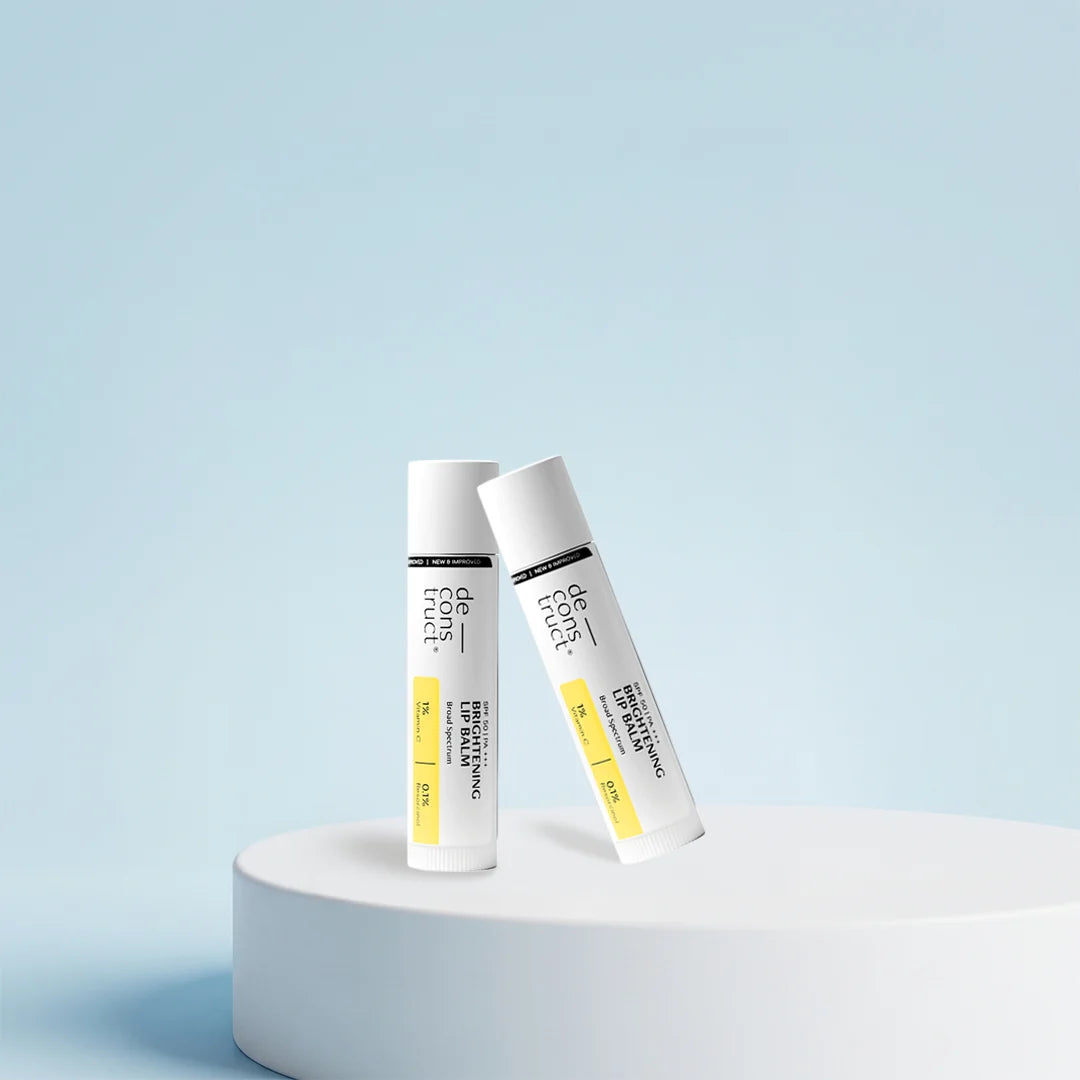
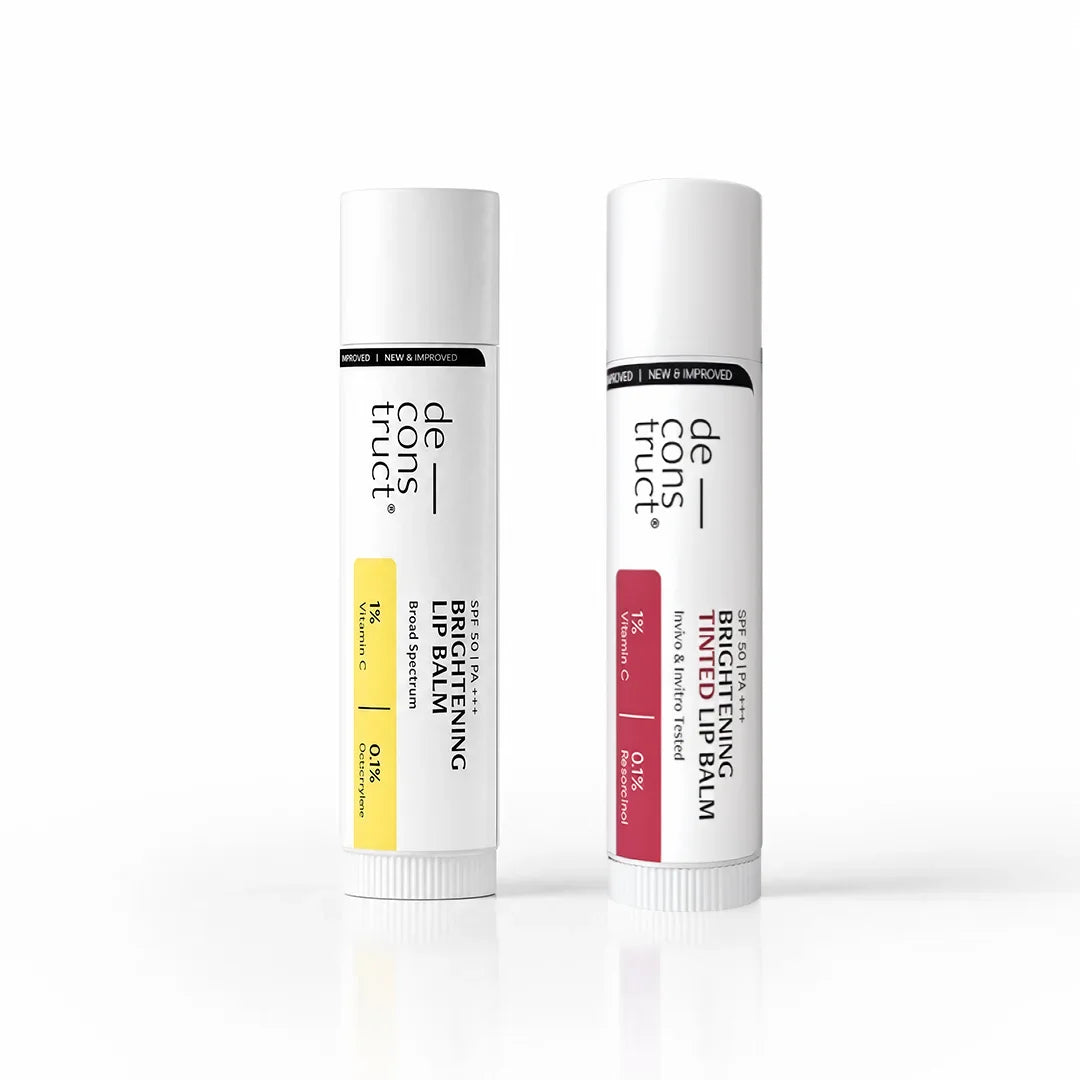
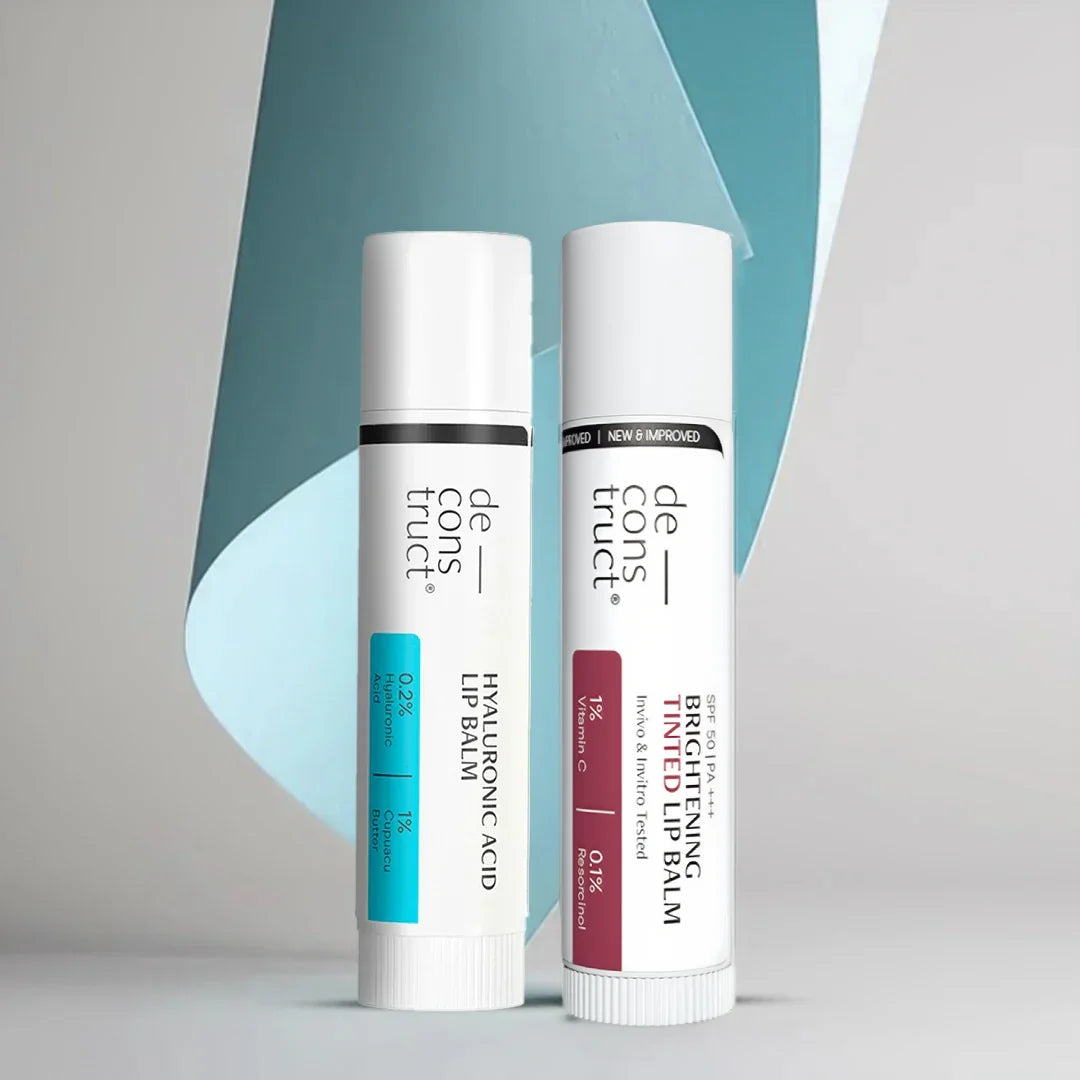
To get both hydration and advanced sun protection, look for lip balms with specialised formulas like Deconstruct’s Brightening Lip Balm with SPF 50. It combines Murumuru butter to deeply nourish your lips, while also containing Vitamin C and Resorcinol to brighten your lips and target pigmentation, simultaneously.
Deconstruct Example: A Lip Mask That Hydrates and Helps Lock In Moisture
Good lip care does not just stop once the sun goes down. While your skin needs protection during the day, night time is when your skin goes into repair mode.
For a complete hydration-focused lip routine, follow your daytime defence with a highly effective lip mask like the Deconstruct Collagen and Peptide Lip Mask .
Why it fits into your routine:
If you’re wondering the difference between a lip balm and a lip mask, and if they actually work , they do. Especially for extremely dry and chapped lips that need more than just sealing in moisture and basic hydration. Unlike daily lip balm formulas, a dedicated lip mask utilises concentrated humectants and emollients that actively repair, rebuild and heal severely chapped lips overnight, during regular natural lip repair cycles.
- 0.2% collagen that deeply nourishes dry, flaky and chapped lips while locking in moisture, keeping lips soft and supple
- 2% peptides to boost collagen production to visibly reduce lip’s fine lines with continuous use
- Optimal concentration that’s gentle on lips
- Soothing ingredients like shea butter
Apart from using it as an overnight lip mask, you can also use it during the evening for added hydration.
How to Use Lip Balm and Lip Mask for Better Hydration
Daytime
Daytime is for defence and protection.
Apply an SPF lip balm with broad spectrum protection to help keep your lips protected from sun damage.
Throughout the Day
Reapply when needed. Dermatologists recommend that you reapply every 2 hours and immediately after drinking, sweating and wiping your face.
Night
Opt for a longer repair-focused overnight lip mask with ingredients like collagen and peptides for deep repair. It stays on your lips for longer without interruption.
The Final Verdict
Ultimately, your lip product should not just do one job. While standard wax-based chapsticks lock in whatever moisture you have left, healing dry and chapped lips requires more than just locking in existing moisture. Sealing moisture and hydrating are not mutually exclusive. Whether a lip balm adds hydration or just acts as a protective shield, depends on its ingredients and formula - its balance of humectants, emollients and occlusives.
The best lip routine combines both, with protecting your lips from UV-induced dryness and damage during the day, while prioritising repair during the night. Choose lightweight formulas from Deconstruct with their SPF and hydrating agents like murumuru butter for hydration and defence + an overnight lip mask with collagen and peptides for the night time to keep your lips hydrated and seal in moisture.
FAQs
Is hyaluronic acid good for dry lips?
Yes, hyaluronic acid is a great humectant that helps draw moisture to the skin, to keep it hydrated.
Should lip balm contain SPF?
Yes, but only a daytime lip balm. A lip balm with SPF 50 helps protect your lips from sun damage and premature ageing.
How often should I apply a lip mask?
You can apply a lip mask such as Deconstruct’s Collagen and Peptide Lip Sleeping Mask both in the evenings and even as a leave-in overnight lip treatment.